
Publishing Scholarly Archaeology since 1997
Publishing Scholarly Archaeology since 1997
Log in | My Account | Basket Twitter Facebook LinkedIn
Advanced Search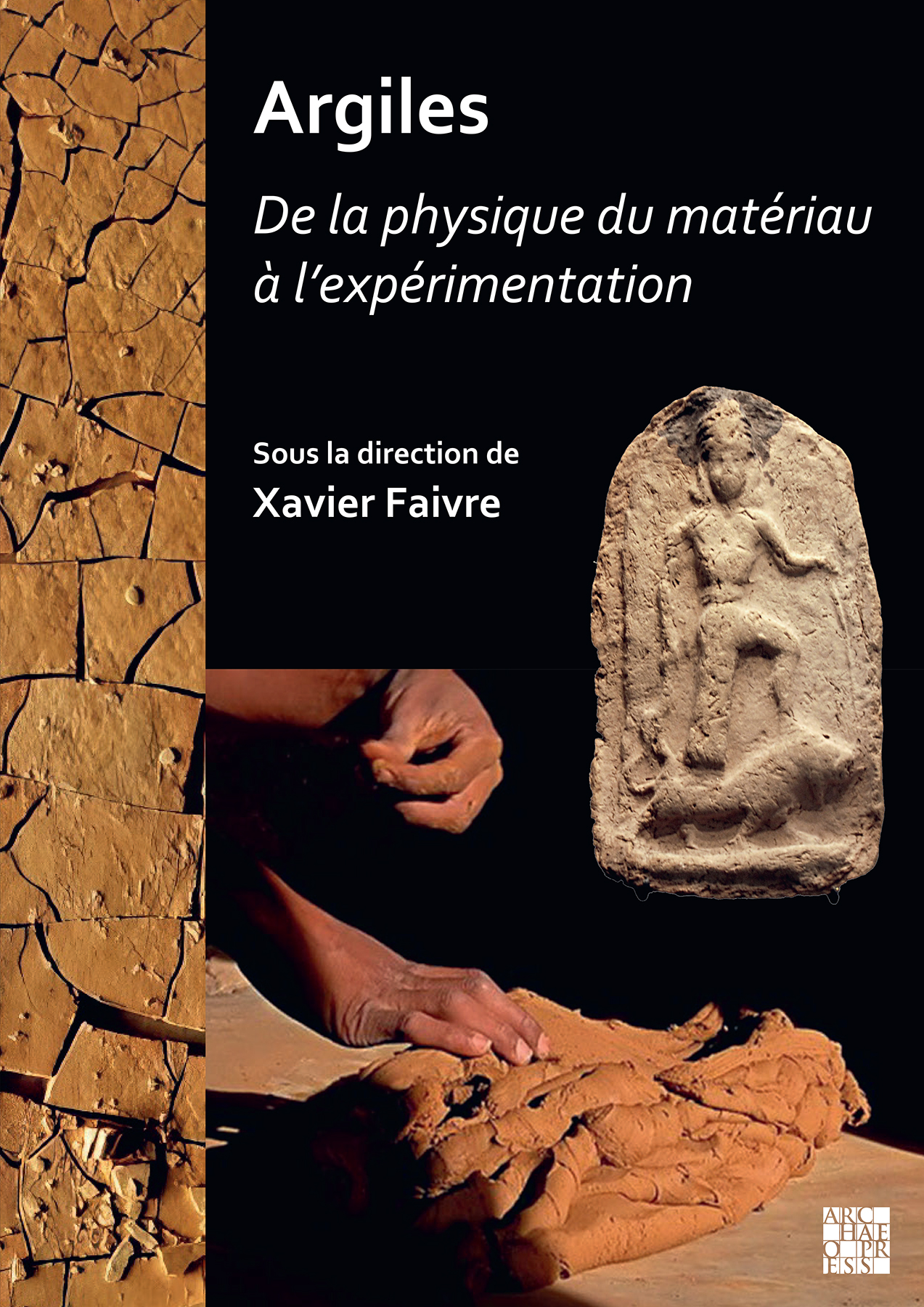
Download Sample PDF
H 290 x W 205 mm
496 pages
Colour illustrations throughout
French text
Published Sep 2023
ISBN
Paperback: 9781789694208
Digital: 9781789694215
Keywords
Clay; Polymorphic material; Physical Properties; Construction; Artefacts
Related titles
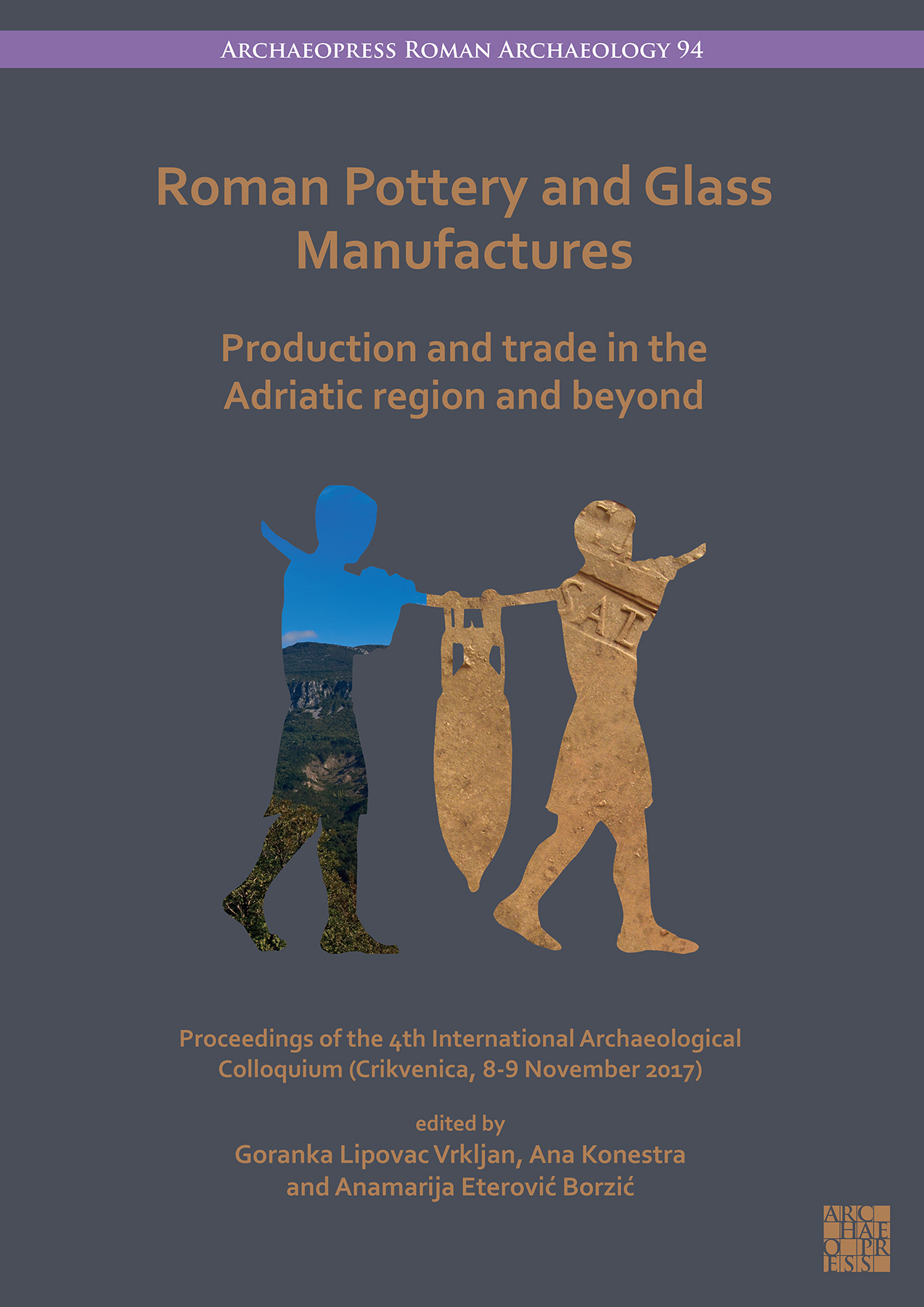
Argiles : De la physique du matériau à l’expérimentation
Actes des journées d’études du Programme Collectif « Argiles » (2018-2020). Unité mixte de recherche Archéologies et sciences de l’Antiquité (UMR 7041 – ArScAn, Nanterre)
Edited by Xavier Faivre

Paperback
£75.00
Includes PDF
PDF eBook
(personal use)
£16.00
PDF eBook
(institutional use)
£75.00
 Add to wishlist
This volume brings together the proceedings of four study days of the ‘Clay’ Collective Program (2018-2020) on the theme of ‘studying materiality’. The study of this polymorphic material has focused on four complementary areas: physical properties, construction, artefacts and texts relating to clay.
Contents
About the Author
Xavier Faivre is a research engineer at the CNRS, in UMR 7041 ‘Archaeologies and sciences of Antiquity’ (ArScAn-HAROC), Nanterre (France). As an archaeologist and ceramic specialist since 1988, he has participated in numerous archaeological excavation missions in Syria, Turkey and Lebanon. He was naturally interested in the abundant multifaceted clay productions of Mesopotamia, ‘country of clay’, comparing archaeological data and cuneiform Mesopotamian texts written on clay. In this capacity, since 2017 he has directed the interdisciplinary collective program, Argiles, extended to all chrono-cultural fields, from Prehistory to the Middle Ages.
En français
Xavier Faivre est Ingénieur de recherche au CNRS, dans l’UMR 7041 « Archéologies et sciences de l’Antiquité » (ArScAn-HAROC), Nanterre (France). Archéologue et céramologue, il a participé, depuis 1988, à de nombreuses missions de fouilles archéologiques en Syrie, en Turquie et au Liban. Il s’est naturellement intéressé aux productions argileuses multiformes, très abondantes en Mésopotamie, « pays d’argile », explorant le croisement des données archéologiques et des textes mésopotamiens cunéiformes écrits sur argile. À ce titre, il dirige depuis 2017 le programme collectif interdisciplinaire « Argiles », étendu à tous les champs chrono-culturels, de la Préhistoire au Moyen Âge.
Archaeopress Publishing Ltd
First and Second Floor
13-14 Market Square
Bicester
Oxfordshire OX26 6AD
United Kingdom
Tel +44 (0) 1865 311914 | fax +44 (0) 1865 512231 | email info@archaeopress.com
